Real Estate Follow-Up Automation: Stop Losing Warm Leads
Most real estate deals are lost between the first call and the fifth follow-up. How agents automate follow-ups without sounding robotic — and close more.
Here's the uncomfortable math of real estate lead handling: the average portal lead costs real money, most agents contact it once or twice, and most conversions happen somewhere between the fifth and twelfth touch. The deals aren't being lost to competitors with better listings — they're being lost to silence.
Follow-up automation exists to close that gap. Done badly, it spams inboxes with robotic messages. Done well, it makes one agent perform like a team of three without a single lead going cold. Here's how to do it well.
Why follow-ups collapse (it's not laziness)
Agents don't stop following up because they don't care. They stop because human memory is the wrong tool for the job:
- After a site visit, a lead needs a next touch in three days — along with forty other leads on forty different clocks.
- Every hour spent on manual tracking is an hour not spent showing property.
- Without a system, whoever calls loudest gets the attention; the quiet, serious buyer from last month evaporates.
The failure isn't effort. It's that follow-up is a scheduling problem being solved with sticky notes.
The three layers of follow-up automation
Effective automation has three layers, in increasing order of leverage. You can adopt them one at a time.
Layer 1: Never lose the thread (pipeline + reminders)
The foundation is a CRM pipeline where every lead always has a next action and a date. Enquiry received → call scheduled. Call done → site visit proposed. Visit done → feedback follow-up in 2 days. No lead is ever in a state of "nothing planned".
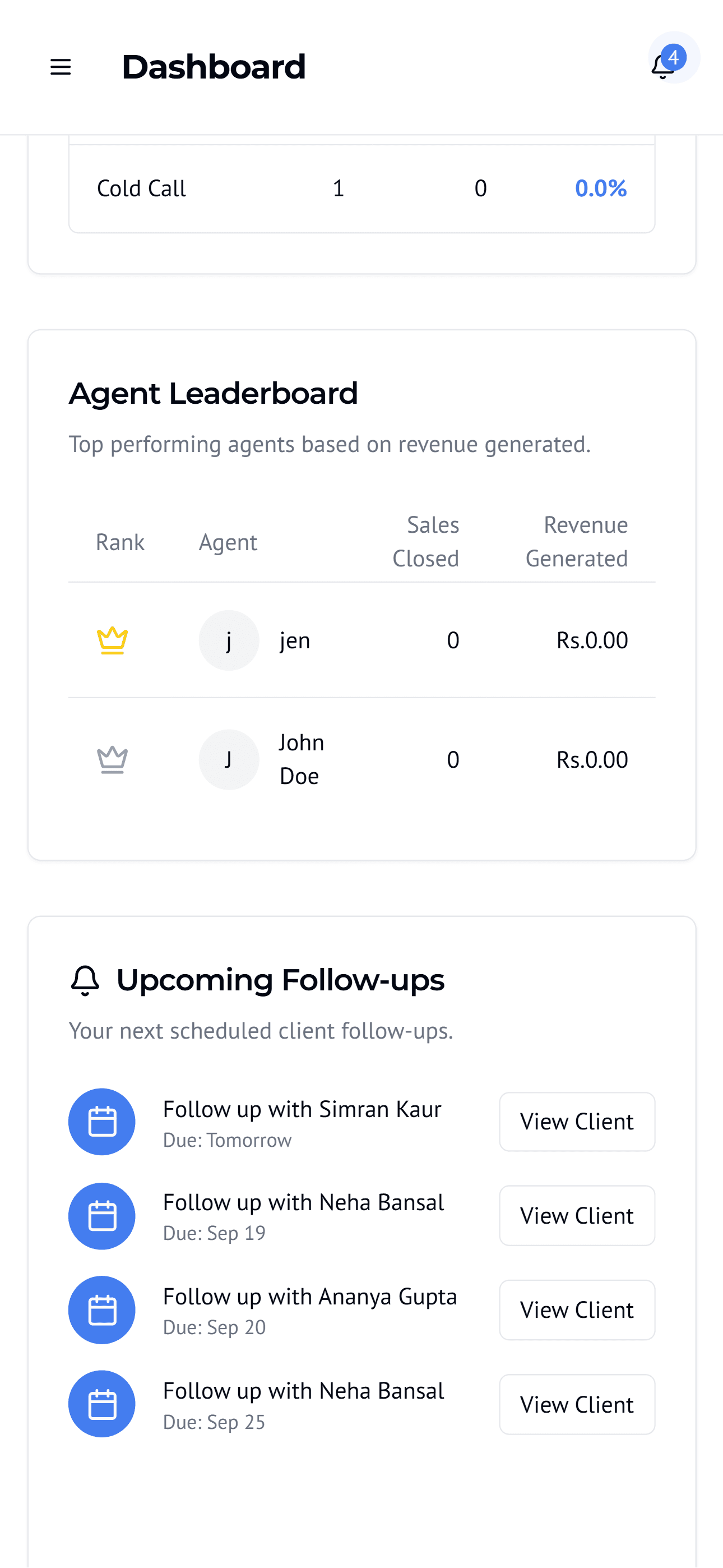
The system's job is simple: surface today's follow-ups every morning, and refuse to let a lead exit a stage without a next step. This alone — no AI, no templates — recovers the 60–70% of leads that currently die of neglect. It's also the core of what we cover in our real estate CRM buyer's guide.
Layer 2: Cut the writing time (templates + drafts)
The second time-sink is composing messages. The fix is a library of situation-specific templates — new enquiry response, post-visit check-in, price-drop alert, "still looking?" re-engagement — personalized with the lead's name, property, and context.
Modern CRMs go further and draft the message for you with AI, based on the lead's stage, the properties they've seen, and your past conversations. You read it, tweak a line, send. Thirty seconds instead of five minutes, multiplied by every follow-up you send this year.
That's how AI outreach works in EstateXcell: the draft is generated, the agent stays the author. The message that goes out is yours — just written faster.
Layer 3: Let behavior set the cadence (smart sequences)
The last layer adjusts timing automatically. A lead who just enquired about a ready-to-move flat gets a fast, tight sequence (day 0, 1, 3, 7). A "maybe next year" browser gets a gentle monthly touch with new listings. A lead who suddenly re-opens three property links gets bumped to the top of today's call list.
The sequences aren't about sending more messages — they're about sending the right pressure at the right time, and backing off when the buyer's timeline says to.
A follow-up cadence that works
If you want a starting framework, this one is battle-tested for property leads:
| Timing | Touch | Channel |
|---|---|---|
| Within 5 min | Respond to enquiry | Call, then WhatsApp |
| Day 1 | Recap + 2–3 matched properties | WhatsApp/Email |
| Day 3 | Check-in + schedule site visit | Call |
| Day 7 | New matches or price updates | |
| Weekly (weeks 2–5) | Value touches: new listings, market info | WhatsApp/Email |
| Monthly (ongoing) | Stay-warm touch until timeline firms up |
Two rules make it feel human rather than automated: every touch carries something useful (a listing, an update, an answer — never "just following up"), and site-visit feedback gets its own follow-up within 48 hours, because that's when serious buyers decide.
What changes when this is running
Agents who put real follow-up automation in place report the same pattern:
- Response time drops to minutes, which alone wins deals — the first agent to respond gets a large share of portal leads.
- The "forgotten middle" of the pipeline starts converting — the day-30-to-day-90 leads who buy from whoever stayed in touch.
- Client experience improves. From the buyer's side, an agent who checks in reliably with relevant properties reads as professional, not pushy.
And because everything is logged, you finally learn which sources and cadences actually close — so next quarter's marketing money goes where the deals came from.
Getting started this week
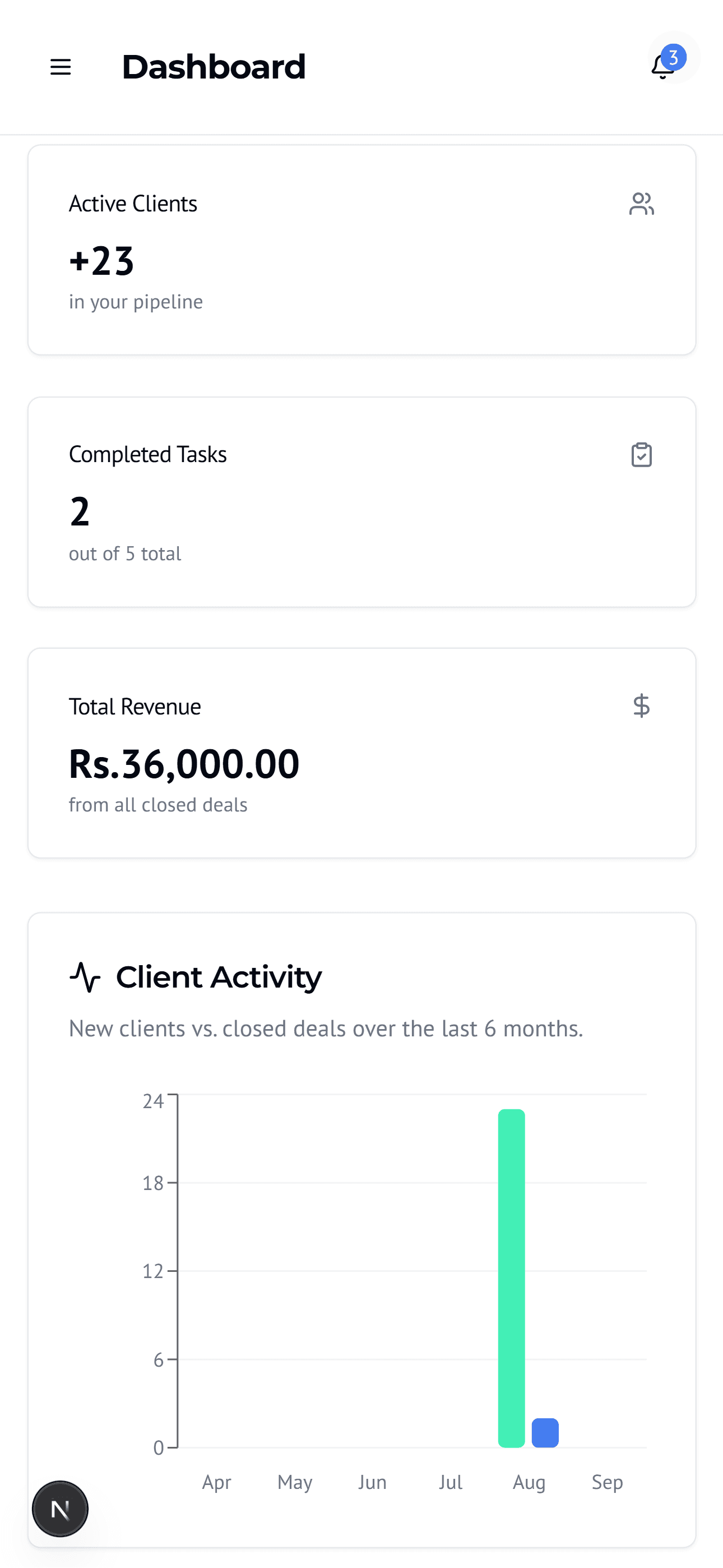
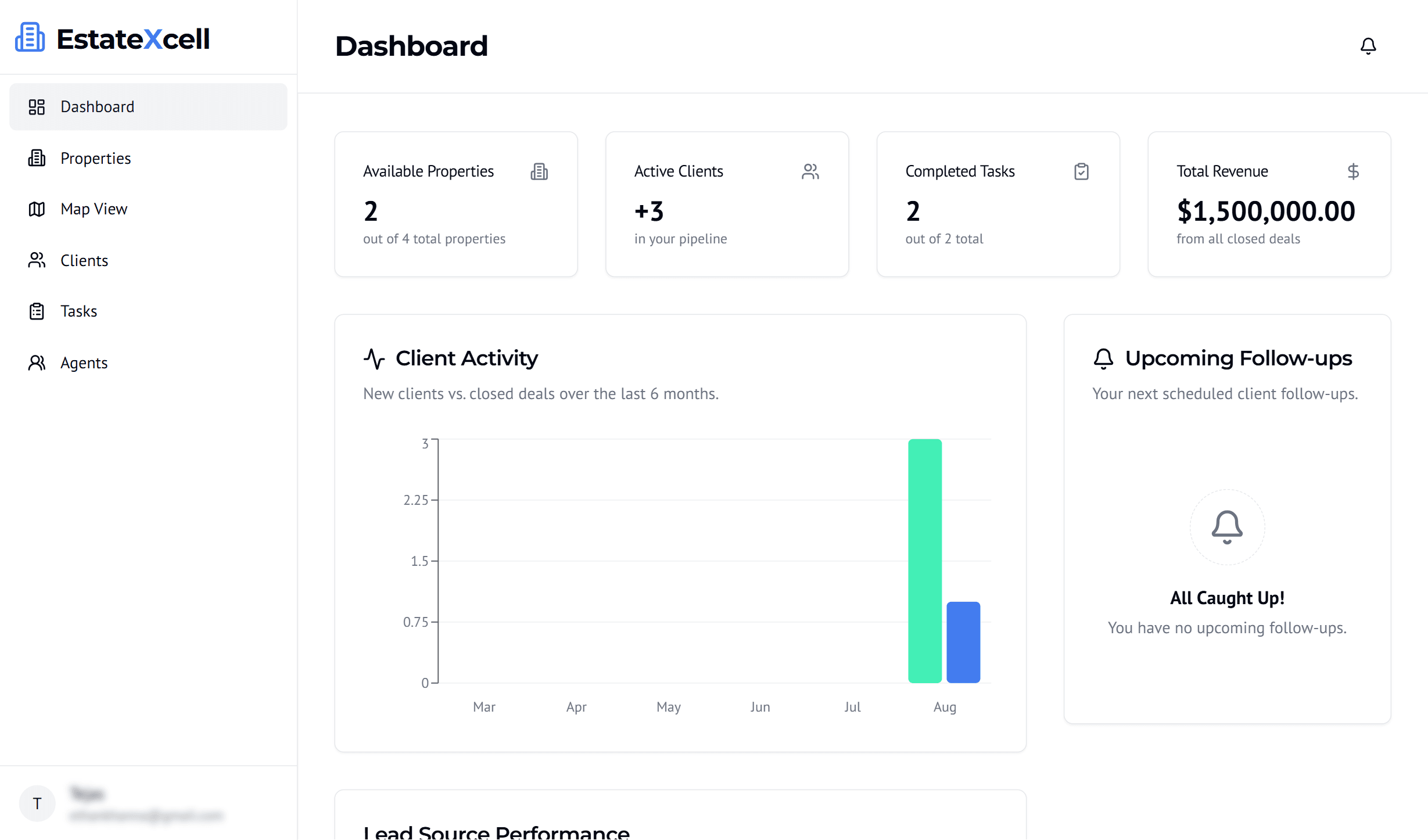
You don't need a process consultant. You need three things: a pipeline with mandatory next actions, a morning follow-up list, and message drafting that takes seconds. That's the exact loop EstateXcell automates for agents and agencies — leads, properties, AI-drafted outreach, and follow-up reminders in one place, with a mobile app so the site-visit follow-up happens from the car, not "later".
Solo agent? The same system matters even more — we've written about that in real estate CRM for solo agents.
The leads you already have are worth more than the leads you're about to buy. Follow-up automation is how you collect.
Frequently asked questions
- How many follow-ups does a real estate lead need?
- Industry experience consistently shows most conversions happen between the 5th and 12th touch, while most agents stop after one or two. The gap between those numbers is where deals are lost — and where a follow-up system pays for itself.
- What is follow-up automation in real estate?
- It's using a CRM to schedule, remind, and partially draft your follow-ups: every lead gets a next action with a date, reminders surface automatically, and messages are pre-drafted for you to personalize and send. The agent stays in control; the system guarantees nothing slips.
- Will automated follow-ups feel impersonal to clients?
- Only if you fully automate the sending. The approach that works is automating the memory and the draft, while a human reviews and personalizes each message. Clients experience it as an agent who never forgets them — which is the opposite of impersonal.
- What's the best follow-up schedule for property leads?
- A common effective pattern: respond within 5 minutes of enquiry, follow up on day 1, day 3, day 7, then weekly for a month, then monthly while the lead stays warm. Adjust pace to the buyer's timeline — serious 3-month buyers need tighter cadence than 'maybe next year' browsers.
Ready to launch fast and scale smart?
Kaelix Technologies builds rapid, AI-powered software for growing businesses. Tell us your workflow and we'll show you what's possible.